
Is Forebet Reliable for Nigerian Football Fans?
📊 Wondering if Forebet's football predictions can serve Naija bettors well? This guide breaks down its trustworthiness, accuracy, and tips for smart use in Nigeria ⚽
Edited By
Samuel Otegbade
Forebet’s predictions for the World Cup qualifiers attract keen interest from football enthusiasts, bettors, and tech fans alike across Nigeria. These forecasts rely on mathematical models that parse through vast data on teams' past performances, current form, and even player availability. Instead of relying on gut feelings or hearsay – which often dominate local betting circles – Forebet presents a more analytical approach to understanding likely match outcomes.
At its core, Forebet assesses statistics such as goals scored, defensive records, home and away forms, and historical head-to-head clashes. The platform also incorporates more nuanced factors like injury updates or recent tactical shifts by coaches. This blended data is then analysed through predictive algorithms to provide probabilities for win, loss, or draw scenarios. For example, in the recent Nigeria vs. Ghana qualifier, Forebet’s model factored Nigeria’s strong home record and Ghana’s injury concerns to forecast a narrow home victory.
These predictive insights give Nigerians a clearer edge, especially during the intense World Cup qualifying season when stakes run high and naira bets multiply.
Understanding these predictions is crucial if you want to make informed decisions rather than guesswork. Forebet’s forecasts aren’t guarantees but instead give percentages indicating the likelihood of each match result. For an average Nigerian bettor or football fan, this means you can weigh your options more wisely, adjusting stakes or simply enjoying more detailed football analyses.
To use Forebet predictions effectively:
Check both team and player statistics before placing any bets.
Consider external factors like weather conditions or referee assignments, which sometimes influence outcomes.
Avoid over-relying on one single prediction; combine it with local knowledge or expert commentary.
The relevance of these forecasts extends beyond betting. For many Nigerian supporters, having a statistical viewpoint helps enrich viewing experiences, encourages deeper football discussions, and offers a smarter way to follow continental clashes.
In summary, Forebet’s data-driven world cup qualifier predictions provide a practical, reliable tool. This empowers you – whether bettor or enthusiast – to navigate the qualifiers with sharper insights backed by numbers, not just passion.
Knowing how Forebet builds its predictions matters a lot if you want to make informed bets or simply follow the World Cup qualifiers with better insight. The platform doesn’t just guess match outcomes; it relies on a set of proven techniques to analyse tons of data points and deliver forecasts. This understanding helps you judge when to trust the prediction and when to consider other factors unique to Nigerian football contexts, such as last-minute squad changes or local pitch conditions.
Forebet uses complex algorithms to process data from many matches, teams, and tournaments. These algorithms weigh various factors like goals scored, conceded, player availability, and recent performances. For example, the model might notice that the Nigerian team tends to score more goals in home qualifiers than away, influencing expected outcomes based on venue.
Historical data plays a pivotal role in Forebet's system. The platform integrates records from previous matches, not only recent ones but those stretching years back. This longer-term data helps to spot trends—such as a striker's consistent finishing ability or a team's pattern of conceding goals late in matches. In Nigerian football, where some players might peak irregularly due to inconsistent league play or international duty, this historical perspective adds balance to the immediate form.
The predictions finally rest on mathematical probability. Forebet assigns chances to each possible match result, such as a home win, draw, or away win, based on how often similar situations have turned out in the past. It’s not about certainty but likelihood. For instance, if Nigeria has a 65% calculated chance to win against a particular opponent, it means history and stats back that outcome more often than not.
Team form and recent results are crucial metrics. Forebet tracks how well teams have performed in their last five or six matches. So if Nigeria won four out of five and kept clean sheets, that momentum is reflected in the forecast. This snapshot influences expectations realistically, unlike relying only on reputation.
Head-to-head records shed light on historical encounters between the two teams. These stats help highlight whether a team usually dominates or struggles against a particular opponent. For example, Nigeria might have a good World Cup qualifier record against Ghana but less so against Cameroon. Forebet factors this in to adjust probabilities accordingly.
Finally, home and away performance is a metric often overlooked by casual followers but vital in predictions. In African qualifiers, home advantage often matters significantly due to travel fatigue, climate, and fan support. Forebet accounts for these by adjusting expected goals and win chances depending on whether the team plays at home or away. Thus, Nigeria playing at Abuja’s high altitude stadium might see improved winning odds compared to a match in an unfamiliar setting.
Understanding how Forebet's methodology blends data with probability gives you a clearer picture of match forecasts. This knowledge can sharpen your betting strategy or simply make following qualifiers more engaging.

In sum, appreciating Forebet’s approach means recognising the balance between numbers and real-world factors. It allows fans and bettors in Nigeria to benefit from statistics while keeping an eye on unpredictable football moments.
Forebet predictions offer useful insight especially in the demanding and high-stakes environment of World Cup qualifiers. These forecasts help fans, bettors, and analysts make sense of complex team dynamics and match conditions. By applying Forebet’s models, one can better appreciate how statistical factors play into outcomes beyond just guesswork.
The World Cup qualifiers involve many teams from different confederations competing through a series of matches to secure a spot in the tournament. For instance, in the African qualifiers organised by the Confederation of African Football (CAF), 54 teams initially compete in multiple rounds, narrowing down to five that qualify for the World Cup. Each team may have to play up to 10 matches depending on their progression, facing home and away fixtures over several months.
Understanding this format matters because the length and structure of the qualifiers influence team performance. Fixture congestion or long travel distances, say for Nigeria’s team travelling to South Africa or Algeria, affect energy levels and strategy.
Qualification rules are straightforward but strict. Teams earn points with wins and draws; the top sides in each group advance. Deadlines are also tight, with final matches usually ending a few months before the World Cup to allow preparation time. This creates pressure for teams to deliver consistent results. Hence, forecasters like Forebet weigh these rules and timelines to estimate probable standing shifts as qualifiers progress.
Nigerian football fans have keen interest in the national team’s chances during qualifiers. Forebet’s predictions provide a data-backed perspective that feeds debates and optimism around team prospects. When Forebet estimates a 65% win chance for Nigeria against an opponent like Ghana, fans can calibrate their expectations, sparking excitement or caution.
Beyond general anticipation, these forecasts help supporters to make informed decisions on matchday activities. For example, fans deciding whether to attend matches or watch at home can consider the predicted competitiveness. Bettors especially rely on these insights to place bets thoughtfully, balancing risk and reward.
Applying mathematical models to real-world qualifiers lets fans and bettors cut through hype, focusing on the numbers behind team performance.
Using Forebet predictions together with live team news or expert analysis brings greater clarity to the qualifiers, helping Nigerian football enthusiasts stay engaged with real-time context and confident outlooks.
Evaluating the accuracy and limitations of Forebet's predictions is vital for anyone relying on its forecasts, especially in the high-stakes environment of World Cup qualifiers. Understanding how well these predictions have performed in the past, and what might affect their reliability, helps fans, bettors, and analysts make informed decisions rather than blindly trusting the numbers.
Forebet’s predictions have shown a respectable level of accuracy in previous World Cup cycles. For instance, during the 2018 qualifiers, many of Forebet’s match outcomes for African and European groups aligned closely with actual results, particularly where team form and statistical trends were strong. This track record builds confidence, but it’s key to remember that no prediction model is foolproof—football has its surprises.
Practical relevance of this lies in setting realistic expectations. While Forebet might predict a higher chance of victory for a team like Nigeria over less favoured opponents, surprises such as upset wins or draws still happen. Looking at past cycles, success rates around 60–70% are typical, which means Forebet can guide but not guarantee outcomes.
Comparisons with expert opinions also highlight Forebet’s strengths and shortcomings. Expert analysts bring in qualitative factors—such as team morale, coaching decisions, and behind-the-scenes stories—that numbers might miss. While Forebet’s forecasts rely heavily on data like team form and historical head-to-heads, experts may spot trends or risks not in the algorithm.
This interplay is practical for readers: combining Forebet’s quantitative edge with expert insights often leads to a more balanced view. For example, if Forebet predicts a strong win but experts warn of an injury crisis, bettors and fans should weigh both before drawing conclusions.
Injuries and team changes are among the most impactful factors that can derail any prediction. Even if Forebet’s model assesses recent form accurately, the sudden loss of key players due to injury or coach decisions to shuffle squads can alter the dynamics dramatically. For example, if Nigeria’s star striker gets injured close to a qualifier, past data may no longer represent the team's true strength.
Weather and travel conditions also play their part. Matches played in extreme heat or heavy rain, or teams forced to travel long distances across Africa’s diverse climates, often see unexpected results. Forebet’s model may not fully capture these situational factors, especially when schedules change last minute or stadium conditions are challenging.
Finally, unexpected match events—such as red cards, controversial referee decisions, or even crowd disturbances—introduce a human element that statistics struggle to predict. These moments can quickly shift momentum and lead to outcomes far from forecasted probabilities.
While Forebet’s predictions excel in analysing patterns and probabilities, football remains an unpredictable sport where on-the-day events can overturn expectations.
In sum, recognising these limits allows fans and bettors to better manage risk. Using Forebet’s data alongside awareness of injuries, weather, and possible surprises helps to strike a more informed balance between trust in technology and respect for football’s unpredictability.
Using Forebet predictions effectively during the World Cup qualifiers involves more than just reading the forecasts. Understanding how to combine these insights with other reliable sources and knowing the limits of data-driven models can significantly improve your experience, especially if you're analysing matches or placing bets.
Forebet relies heavily on algorithms and historical data to generate predictions, but pairing these figures with expert opinions can fill gaps that numbers alone miss. For instance, local football experts might have knowledge about player morale or tactical changes from recent training sessions that aren't reflected in stats yet. These insights can provide context, such as a key striker’s injury or a coach’s recent shift in formation, improving your understanding of match prospects beyond what Forebet shows.
Adding expert commentary, especially from seasoned Nigerian sports analysts or former players, helps balance the cold logic of data by accounting for real-time nuances. This approach is especially useful during high-stakes matches where intangible factors often tip the scales.
While Forebet’s predictions offer a solid baseline, following live updates during matchdays is essential. Sudden developments like last-minute squad changes, weather conditions affecting pitch play, or even fan attendance can sway results. For example, if Nigeria’s team suffers a late injury or the matchday weather turns rainy, adapting your expectations in real time makes a big difference.
Access to live news through trusted Nigerian sports news platforms or official team social media channels ensures you stay informed. This combination works best to adjust predictions or betting choices dynamically, rather than relying solely on pre-match forecasts.
Forebet predictions are helpful tools but not guarantees. Football is unpredictable, and outcomes can twist at any moment due to factors like match-day pressure or referee decisions. It's important to use predictions as guidance rather than certainties, especially for betting.
Betting with realistic expectations means accepting losses occasionally and not overcommitting funds based on confidence from predictions alone. For example, if Forebet forecasts a slight edge for Nigeria but opposing teams show strong recent form, it’s wise to balance optimism with caution.
No single prediction model captures every variable perfectly. Forebet’s statistical focus can miss sudden off-field issues like player disputes or travel disruptions faced by teams. Therefore, relying exclusively on Forebet could skew your judgement.
Diversify your assessment by consulting other prediction platforms, local insights, and current news. This broad approach helps avoid blind spots and allows you to cross-check forecasts before placing bets or making conclusions.
Remember, smart use of predictions involves mixing data with on-the-ground insights while staying grounded in the unpredictable nature of football. This strategy will keep your analysis sharp and betting decisions sensible throughout the World Cup qualifiers.
📊 Wondering if Forebet's football predictions can serve Naija bettors well? This guide breaks down its trustworthiness, accuracy, and tips for smart use in Nigeria ⚽
⚽ Discover how Today Forebet uses data insights to offer reliable football predictions for Nigerian fans and bettors aiming to boost their game tactics and win rates.
📊 Discover how Forebet jackpot predictions help Nigerian bettors improve football betting decisions with data insights, smart tips, and risk awareness in local context ⚽
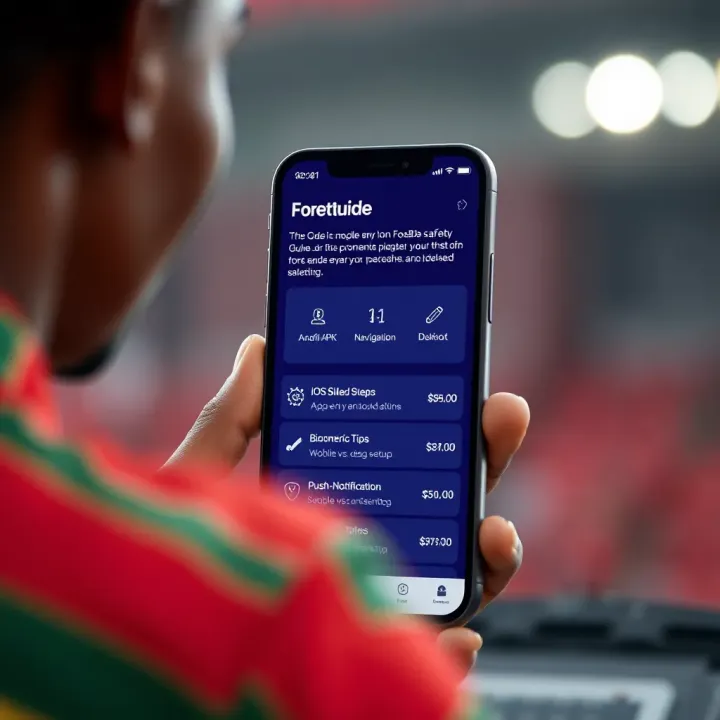
⚽ Explore Forebet com.ng, your go-to for accurate football predictions, sharp analysis & stats tailored for Nigerian fans & bettors. Get smart tips today!
Based on 13 reviews