
Forebet Deposit Methods for Nigerian Users
🎯 Explore secure Forebet deposit methods tailored for Nigerian users. Learn local payment options, step-by-step funding, and tips to keep your ₦stakes safe and smooth.
Edited By
Samuel Otegbade
Paystack is one of Nigeria’s most popular payment processors, trusted by millions for online transactions. It acts as a bridge between your bank account, card, or mobile wallet and the businesses or platforms you want to pay or fund. For gamblers, tech lovers, university students, and young professionals, using Paystack to deposit funds is straightforward once you familiarise yourself with the process.
Unlike traditional bank transfers, Paystack offers multiple payment options and fast processing, fit for Nigeria’s digital lifestyle. Whether you want to fund a gaming site or pay for services, knowing how to deposit money securely lets you avoid common pitfalls like failed transactions or delays.
This guide breaks down the steps to help you deposit funds using Paystack efficiently. You will discover how to create and verify your account, fund it through local banks, cards, or USSD channels, and the security tips to keep your money safe.
Using Paystack for deposits is convenient and designed with the Nigerian market in mind, supporting popular banks and payment methods that locals already trust.
Here are the key highlights you will get from this article:
How to sign up and verify your Paystack account
Different local payment methods accepted by Paystack
Clear, step-by-step instructions on making deposits
Tips to avoid common errors and scams
Getting your deposit right the first time saves you stress and waiting. Let’s help you start this journey with confidence, so you can focus on enjoying your activities, whether gaming or making payments online.
Paystack has become a vital tool for Nigerian businesses and consumers seeking a reliable way to handle online payments. Understanding its role helps users appreciate how it simplifies financial transactions and supports local commerce. This knowledge empowers you to make safe and effective deposits using Paystack.
Paystack prioritises security, ensuring that transactions in Nigerian Naira (₦) are protected from fraud. Through industry-standard encryption and tokenisation, sensitive details like card numbers are never directly handled. For example, when a small business owner in Lagos receives a payment, Paystack encrypts the process so funds reach them without exposing their customers’ data. This builds trust among buyers and sellers, crucial in Nigeria’s often cautious online market.
Small and medium enterprises (SMEs) make up a large portion of Nigeria’s economy but often struggle with payment collection. Paystack provides easy-to-integrate tools that let these businesses receive online payments quickly. A boutique owner in Ibadan, for instance, can set up Paystack to accept card payments or bank transfers without needing complex systems. This flexibility reduces reliance on cash, which can be risky or inconvenient.
Paystack works closely with major Nigerian banks and fintech services, including GTBank, Access Bank, Flutterwave, and OPay. This integration allows seamless transfers and real-time updates. Suppose a freelancer uses a bank app for regular payments and links Paystack to their account; they can receive payments swiftly and track them easily. This connectivity streamlines financial activities both for individuals and companies.
Although Paystack, Flutterwave, and OPay all serve as payment gateways, Paystack stands out for its user-friendly interface and developer-friendly API. While OPay focuses largely on mobile money and quick microtransactions, and Flutterwave offers extensive international reach, Paystack is preferred among Nigerian startups for its straightforward set-up and reliable USD-to-₦ conversions. This means businesses keen on local transactions often find Paystack more convenient.
Nigeria's move towards cashless transactions has been steady but uneven. Paystack accelerates this by providing accessible methods like USSD payments and card processing that reduce cash handling. In everyday life, this is visible when customers use their mobile phones to pay a mama put through Paystack’s infrastructure instead of handing over physical money. This shift enhances safety and convenience, especially amid frequent power and security challenges.
Paystack operates strictly within the rules set by the Central Bank of Nigeria (CBN), following Know Your Customer (KYC) and Anti-Money Laundering (AML) policies. This alignment protects users and strengthens trust in digital payments. For example, to meet CBN directives, Paystack requires customers to verify identity with Bank Verification Number (BVN), ensuring transactions are transparent and accountable. Such compliance is essential for long-term sustainability in Nigeria's financial ecosystem.
Understanding Paystack’s role beyond just a payment tool helps you use it more confidently and securely within Nigeria’s financial scene.
Setting up your Paystack account correctly is the first step towards smooth and secure deposits. Without proper registration, verification, and bank linking, handling funds through Paystack can become frustrating or even risky. This section highlights the key stages to get your account ready to deposit money conveniently.
To begin, registering on Paystack is straightforward but requires careful attention. You must provide accurate personal details such as your full name, valid email, and phone number. These details act as your unique identifiers within the system. After registration, Paystack sends a confirmation link to your email – clicking it activates your account. This simple step helps prevent fraud and keeps your account secure.
Verification plays a major role, especially for Nigerians using Paystack. The platform requires Know Your Customer (KYC) processes, including submitting your Bank Verification Number (BVN). BVN verification helps link your identity to your bank account and is essential to meet CBN regulations on digital payments. Without completing BVN and KYC, your deposit limits are low, and some features stay locked. For example, a student opening an account for online wagers would need to submit his BVN to lift these limits and allow larger transfers.
Linking your bank account to Paystack is the practical next step after verification. This connection enables seamless deposits from your bank directly to your Paystack wallet or business account. Paystack supports linking all major Nigerian bank accounts, including GTBank, Zenith Bank, and Access Bank. Once your bank account is linked, you can quickly fund your Paystack wallet using transfers or cards, without repeated manual entries. Linking also facilitates instant notifications of deposits, which is vital for quick fund availability especially when transacting under time pressure, such as placing bets or purchasing data bundles.
Once your account is set up, the Paystack dashboard helps you handle deposits smoothly. It presents clear deposit options like bank transfers, card payments, and mobile money channels, all in one place. Having this overview saves time when you need to pick a funding method suited to your current situation. For instance, if you are facing network issues with your bank app, you could switch to card deposit directly from the dashboard.
Checking your account balance and transaction history on the dashboard keeps you updated on your fund movements. This transparency helps users avoid confusion over missing deposits or double payments. Say you funded your account via USSD earlier today; checking the dashboard ensures the deposit reflects immediately, helping you to plan your next steps confidently. It also helps you detect unauthorised transactions early on, so you can report promptly and protect your funds.
Proper setup and familiarisation with Paystack's features not only speeds up deposits but also strengthens security and financial control for Nigerian users. The right setup makes all the difference between seamless payments and wasting time chasing failed transfers.
Paystack offers several convenient methods to deposit money, each tailored to suit different user preferences and situations in Nigeria. Understanding these options helps you pick the best way depending on how fast you need the funds credited, the tools you have available, and any fees involved. Let’s explore key deposit methods available on Paystack.
Using internet banking or USSD codes: Many Nigerians prefer bank transfers because they are straightforward and widely accessible. You can move money from your bank account to your Paystack wallet using internet banking apps from banks like GTBank, Zenith Bank, or First Bank. Alternatively, USSD codes such as *737# (GTBank) or 38900 (UBA) work well without internet access. These methods don’t require smartphones and suit users who want a quick and familiar way to top up.
Processing time and limits: Deposits via bank transfers usually reflect within minutes but may take a little longer during public holidays or maintenance. Paystack sets deposit limits to prevent fraud and comply with Nigerian regulatory rules; for instance, unverified accounts may face daily caps around ₦100,000, while verified users enjoy higher limits. Knowing these limits beforehand helps you plan larger deposits effectively.
Supported card types: Paystack accepts payments from major debit and credit cards issued in Nigeria and internationally. Visa and MasterCard dominate the scene, but some users also add Verve cards issued locally. This option benefits users who want to deposit immediately without switching apps or bank accounts. For example, a university student can use their GTBank Visa card to fund their Paystack wallet instantly for a quick online transaction.
Transaction fees and currency considerations: Deposits through cards usually attract a small processing fee, often around 1.5% to 2.5% of the amount, depending on the card issuer. Transactions in Nigerian Naira avoid foreign exchange charges, but if you use a foreign card with another currency, expect an additional currency conversion fee. Always check your card terms before depositing to avoid unexpected costs.
Options like USSD wallets and third-party apps: Mobile money wallets such as Paga, OPay, or third-party apps like Kuda and PalmPay provide alternative funding channels. These allow users to deposit without relying on banks directly. For example, if you’re away from your bank, you might use OPay’s app to send funds to your Paystack account. This flexibility is useful during power outages or when internet banking slows down.
How to link them to Paystack: Linking mobile wallets or third-party apps to Paystack usually involves entering the relevant account details in your Paystack dashboard or using Paystack’s USSD interface for verification. Once linked, deposits happen faster and become more convenient, avoiding repetitive data entry. Ensure you confirm the wallet balance and transaction limits for uninterrupted funding.
Choosing the right deposit method depends on your needs — whether it's speed, convenience, or cost-effectiveness. Familiarity with these options enhances your experience and helps avoid delays or extra charges.
With these choices, Paystack ensures you can always fund your wallet in a way that fits your lifestyle and financial habits in Nigeria.
Understanding the exact steps to deposit funds using Paystack is essential, especially as Nigerians increasingly rely on digital payment platforms. For gamblers, tech enthusiasts, young professionals, and university students who need quick, reliable access to funds, knowing how to navigate Paystack's deposit process saves time and avoids unnecessary hiccups. This guide breaks down each step, clarifying what to expect and ensuring your deposits reflect instantly for seamless activities.
Choosing the right deposit option is your first move. Paystack offers several ways to add funds, including bank transfers, card payments, and mobile money. For example, if you prefer speed, using your debit card can credit your wallet instantly, but it might attract a small fee. On the other hand, bank transfers via internet banking or USSD codes are usually free but could take longer to process. Selecting the best option depends on your priorities—quick access, cost, and convenience all matter.
Once you've picked the deposit method, the next part is entering deposit details accurately. You need to specify the amount in naira you wish to deposit and input associated information like your bank details or card number. Mistyping your account number or the amount can delay the process or result in funds not reflecting. For instance, if you want to fund your betting account with ₦5,000, ensure the exact figure is input without commas or extra spaces. Clear entry ensures your money reaches the intended spot without delay.
Paystack uses verification via OTP (One-Time Password) or authentication methods to keep your transactions secure. After submitting your deposit details, you'll receive an OTP on your registered phone number or email. This measure confirms it is you authorising the transfer. Ignoring or sharing this OTP compromises your account safety. For example, when funding your Paystack wallet before placing an online bet, promptly entering the OTP finalises the deposit securely.
Finally, checking deposit confirmation and account balance update helps you verify that the transaction went through. Once your deposit is successful, Paystack typically sends an alert or updates your dashboard with the new balance. In cases where the deposit does not reflect immediately, refreshing your dashboard or revisiting your transaction history aids clarity. For example, a student funding tuition payments via Paystack should confirm the change to avoid late fees. Always double-check balances before proceeding to use the funds.
Depositing funds with confidence demands a clear grasp of each step. By choosing wisely, entering accurate information, verifying transactions securely, and confirming deposits promptly, you ensure your Paystack experience is smooth and reliable.
This step-by-step approach empowers users to avoid common pitfalls like delayed deposits, wrong entries, or compromised accounts. In Nigeria’s growing cashless ecosystem, mastering such routines maximises convenience while keeping your money safe.
Security is non-negotiable when depositing funds through platforms like Paystack. Given the rise in online fraud and scams, safeguarding your account and transactions protects you from financial loss and stress. For Nigerian users, especially those active in online businesses, betting, or freelancing, secure deposits mean peace of mind and uninterrupted access to your funds.
Using strong passwords and two-factor authentication is the first line of defence. A strong password should mix upper and lower case letters, numbers, and symbols — avoiding common choices like "password123" or your birthdate. Paystack allows you to enable two-factor authentication (2FA), which means even if someone manages to get your password, they still can’t access your account without a second verification, usually a code sent to your phone. Many users in Lagos and beyond have found that activating 2FA greatly reduces hacking risks.
Recognising and avoiding phishing attempts is equally vital. Fraudsters in Nigeria often send fake emails or messages pretending to be Paystack or your bank, urging you to click links or provide sensitive information. These phishing attempts try to steal your login details or card information. To avoid falling victim, never click on links from suspicious sources or give out your PIN or OTP over calls or texts. Always access Paystack by typing the official URL or using the official app.
Securing your internet connection matters a lot. Public Wi-Fi in cafes or transport hubs can be an easy way for scammers to intercept your data. Nigerian users often rely on data plans (MTN, Airtel, Glo), but even then, avoid making deposits over unreliable networks. Prefer your home’s secured Wi-Fi or mobile data with strong passwords. Some also use VPNs for added security, especially when travelling between states or abroad.
Verifying recipient details carefully ensures your money goes to the right place. When transferring funds or making payments via Paystack, double-check the merchant’s or recipient’s details before confirming. Mistyping account numbers or sending funds to unfamiliar vendors can cause losses. For example, if you’re funding a betting platform or paying a freelancer, confirm their Paystack merchant ID or bank details directly through a trusted communication channel.
Always remember: between your strong password, alertness to phishing, safe network use, and careful verification, you build a fortress around your Paystack deposits.
These security habits minimise risk and build confidence for Nigerians navigating online payments daily. Without them, you expose yourself unnecessarily to fraudsters, especially during high-activity times like the ember months or weekends when attention to detail may slip.
Getting stuck with deposit issues on Paystack can disrupt your online activities, especially if you use it for betting, shopping, or paying for services. Knowing how to troubleshoot common problems ensures you don't lose time or money and can keep your transactions running smoothly.
Failures or delays often happen due to network glitches, incorrect bank details, or issues with your payment method. For instance, a deposit might fail if you enter the wrong account number or try using an expired debit card. Another common cause is unstable internet connection during the transaction, which may interrupt the process.
To fix these, start by verifying your account details and payment info before trying again. Also, ensure your internet connection is steady; a simple switch from mobile data to Wi-Fi can sometimes resolve issues. If you're using bank transfer, confirm that your bank allows online payments at that time and check for any maintenance alerts from your bank or Paystack.
If your deposit shows as 'pending' for over 24 hours, or the funds don't reflect even after confirmation, it could be a system delay. Waiting a little longer is usually fine, but if the delay persists, consider the next step.
Reaching out to Paystack support makes sense when you’ve double-checked all details and still face unresolved deposit problems. This includes failed transactions showing debited amounts from your bank but not reflected in your Paystack account.
Keep your transaction reference, timestamps, and payment method details handy when contacting support. This helps them trace your deposit quickly. For busy Nigerians handling multiple transactions daily, swift issue resolution avoids costly delays and stress, especially during ember months or festive periods when usage spikes.
Sometimes your deposit might be held because Paystack requires further identity checks to comply with regulations. This is common if your Bank Verification Number (BVN) or Know Your Customer (KYC) documents are incomplete or inconsistent. To resolve this, promptly upload valid ID proofs, recent utility bills, or any requested documents through your Paystack dashboard.
Responding swiftly prevents unnecessary disruptions. For example, a student funding their betting account might miss out on game opportunities if verification holds last too long. Paystack usually reviews submissions within one to two business days.
Paystack applies deposit limits depending on your verification level and payment method. Unverified accounts usually face lower caps, sometimes restricting deposits to ₦50,000 daily. Verified accounts enjoy higher thresholds, often reaching millions of naira.
If you need to increase your deposit limits—for instance, a tech enthusiast placing bigger stakes or funding a startup—you should complete all verification steps and contact Paystack support to request limit review. Having higher deposit limits adds flexibility but also means you must maintain tight security on your account.
Keeping an eye on these common deposit issues and knowing how to fix them saves you plenty of headaches.
Troubleshooting fast ensures your Paystack experience stays seamless, helping you focus on using the funds where you need them most.
🎯 Explore secure Forebet deposit methods tailored for Nigerian users. Learn local payment options, step-by-step funding, and tips to keep your ₦stakes safe and smooth.
⚽ Learn how Forebet's minimum deposit works, payment options in Nigeria, and smart tips to manage your deposits safely. Stay in control while enjoying football predictions! ₦
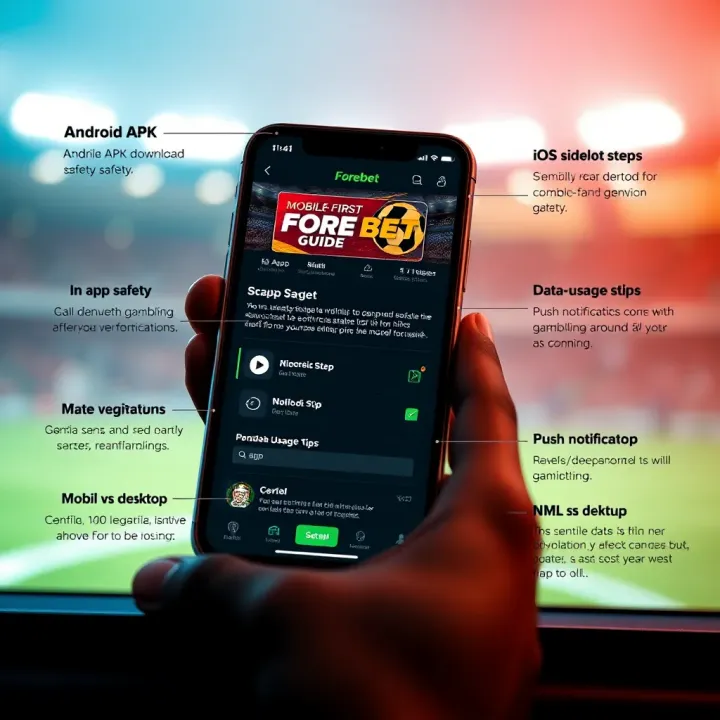
Wonder if Forebet works well in Nigeria? ⚽ Discover how to use it, check its trustworthiness, legal status, plus tips for betting smart with Forebet here.
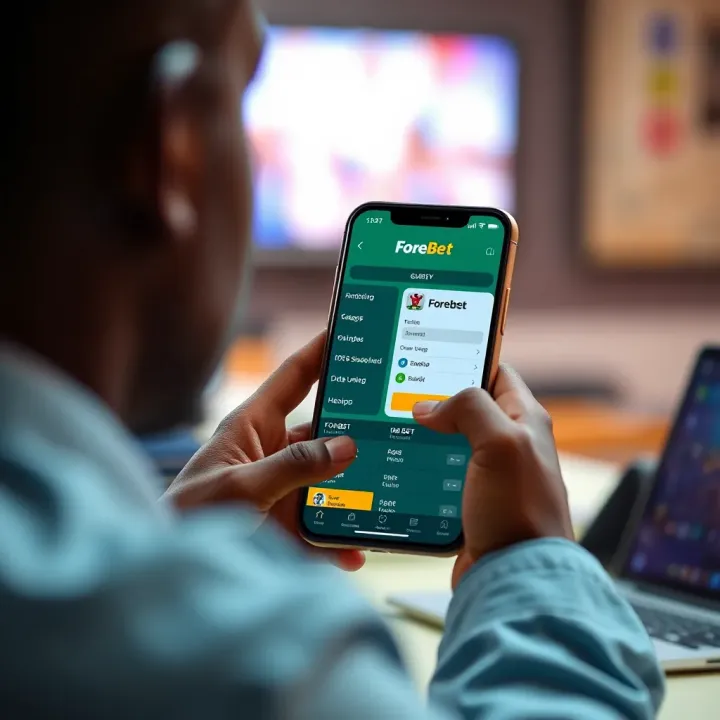
⚡ Forebet instant deposit lets Nigerian bettors fund accounts fast with secure payment options like bank transfer and USSD. Get tips for smooth ₦ transactions today.
Based on 15 reviews